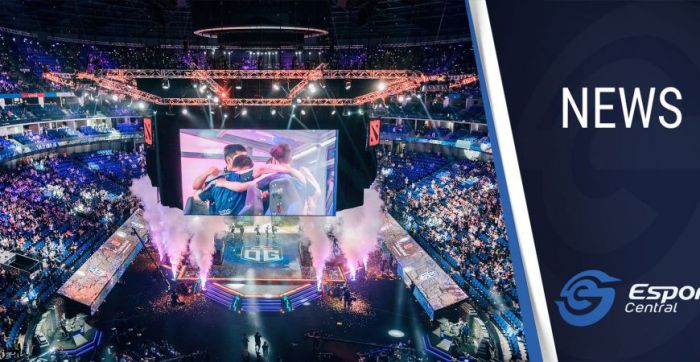
Top esports titles have taken the gaming world by storm, creating an electrifying atmosphere that draws players and spectators alike. These games not only showcase skill and strategy but also foster vibrant communities and competitive spirit.
From the fast-paced action of first-person shooters to the strategic depth of multiplayer online battle arenas, the diversity within esports is remarkable. The success of these titles is largely attributed to their ability to engage players and create unforgettable experiences.
Overview of Top Esports Titles
Esports has grown into a massive industry, showcasing a variety of games that captivate millions worldwide. Currently, several titles stand out as leaders in the esports market, drawing competitive players and enthusiastic audiences alike. Understanding what makes these games so appealing can provide insights into their success and popularity.
Leading Esports Titles

The current frontrunners in the esports realm include titles such as “League of Legends,” “Dota 2,” “Counter-Strike: Global Offensive,” and “Valorant.” Each of these games boasts unique mechanics, strategic depth, and robust competitive scenes.
- League of Legends: This multiplayer online battle arena (MOBA) game emphasizes teamwork and strategy, allowing players to engage in thrilling 5v5 matches.
- Dota 2: Known for its complexity and depth, Dota 2 combines strategic gameplay with high-stakes competitions, attracting top-tier talent.
- Counter-Strike: Global Offensive: A premier first-person shooter (FPS), CS:GO has a rich history in esports and is celebrated for its tactical gameplay and competitive integrity.
- Valorant: A newcomer that combines elements of FPS games with character-based abilities, Valorant has quickly gained traction for its innovative gameplay.
Competitive Play’s Role
Competitive play is integral to the success of these titles. Tournaments and professional leagues create an ecosystem where players can showcase their skills, providing fans with exciting entertainment. Major events, like The International for Dota 2 or the League of Legends World Championship, draw millions of viewers and offer substantial prize pools, further fueling the competitive spirit.
Esports Genres and Their Popularity
Esports encompasses a wide range of gaming genres, with each attracting different audiences. Understanding these genres helps illustrate the diversity within the esports landscape.
Categories of Esports Titles
Esports titles can primarily be categorized into three main genres: first-person shooters (FPS), multiplayer online battle arenas (MOBA), and battle royale games.
- First-Person Shooters: FPS games, such as CS:GO and Valorant, require quick reflexes and strategic thinking, appealing to players who enjoy competitive and fast-paced gameplay.
- Multiplayer Online Battle Arenas: MOBAs like League of Legends and Dota 2 focus on teamwork and strategy, drawing in players who appreciate cooperation and tactical depth.
- Battle Royale: Titles like Fortnite and PUBG have surged in popularity, offering unique gameplay experiences where players compete to be the last one standing in a shrinking battlefield.
Appeal of First-Person Shooters vs. MOBAs
The appeal of FPS games lies in their fast action and individual skill expression, while MOBAs thrive on strategic teamwork and complex gameplay. Players often gravitate toward FPS for quick matches and adrenaline, whereas MOBAs provide a more thoughtful and collaborative experience.
Impact of Online Games on Esports
The rise of online gaming has significantly contributed to the growth of esports competitions. As more gamers engage with online platforms, the competitive landscape continues to evolve.
Relationship Between Online Games and Esports
Online games have paved the way for esports competitions, allowing players to connect and compete from around the world. This accessibility has led to increased participation and engagement.
- Player Engagement: Statistics indicate that online gaming has seen remarkable growth, with millions of players participating in various esports events globally.
- Traditional vs. Online Gaming: While traditional gaming has its place, online gaming has become the dominant force in esports, offering dynamic and engaging experiences.
Online Games for Different Demographics
The realm of online games is diverse, catering to various demographics, including girls and children. Understanding these audiences can help enhance player engagement.
Popular Online Games for Girls
Several online games are specifically designed to appeal to girls, featuring themes and characters that resonate with their interests. These games often include elements of creativity, social interaction, and problem-solving.
- Examples: Games like “Animal Crossing” and “The Sims” allow players to explore imaginative worlds and create their own narratives, fostering creativity and social connections.
Online Games for Kids
Kids are engaged by a variety of online games that not only entertain but also offer educational benefits. Many of these games encourage critical thinking and teamwork.
- Educational Benefits: Games like “Minecraft” and “Kerbal Space Program” teach problem-solving and creativity, enhancing learning through interactive gameplay.
Mobile Gaming and the Esports Connection
Mobile gaming has emerged as a significant player in the esports arena, offering unique opportunities for engagement and competition.
Impact of Mobile Games on Esports
Mobile games have become increasingly relevant in esports, with titles like “PUBG Mobile” and “Call of Duty: Mobile” making a mark in competitive gaming.
- Broader Audience Reach: Mobile gaming allows for greater access, enabling players from various backgrounds to participate in esports competitions.
The Role of Online Game Communities
Online game communities play a crucial role in the success of esports titles by fostering engagement and collaboration among players.
Contribution of Communities to Esports
Communities often organize events, tournaments, and discussions that enhance the experience for players and viewers alike.
- Community-Driven Events: Events like fan tournaments or charity streams showcase the power of community in supporting esports.
Special Interest Online Games
Niche online games centered around specific interests can cultivate dedicated player bases, offering unique experiences.
Themed Online Games
Games related to interests such as cooking, sports, and anime attract players who share those passions, creating vibrant communities.
- Examples: Titles like “Cooking Mama” or sports-themed games help players connect through shared interests, enhancing social interaction.
The Future of Esports
The future of esports looks promising, with emerging trends and technologies poised to shape the gaming industry.
Trends Affecting Esports
Upcoming titles and innovations in gaming technology may redefine competitive gaming landscapes.
- Projected Impact: Anticipated games, such as “Halo Infinite” and advancements in VR technology, are expected to influence player engagement and competitive dynamics.
Online Games and Their Educational Value
Many online games offer educational benefits, fostering skills essential for personal and academic growth.
Educational Benefits of Online Games
Certain online games promote critical thinking and problem-solving abilities in children.
- Integration into Education: Games can be incorporated into curricula, providing interactive learning experiences that resonate with students.
Online Gaming Platforms
Various platforms host online games, each with unique features that appeal to gamers.
Comparing Major Platforms
Platforms such as Steam, Epic Games Store, and others offer diverse esports offerings, each catering to different gaming preferences.
- Preferred Features: User-friendly interfaces, extensive game libraries, and community engagement tools are common features that enhance player experiences.
Final Thoughts
In conclusion, the landscape of top esports titles continues to evolve, driven by innovations in technology and shifts in player interests. As we look to the future, it is clear that these games will remain at the forefront of competitive gaming, shaping new generations of players and fans.
Answers to Common Questions
What are the top esports titles currently?
Some of the leading esports titles include League of Legends, Dota 2, Counter-Strike: Global Offensive, and Fortnite.
Why do players prefer certain genres in esports?
Players are drawn to genres based on gameplay mechanics, community engagement, and competitive opportunities.
How do online gaming communities impact esports?
Online gaming communities provide support, organize events, and enhance the overall experience, contributing significantly to the success of esports.
What role do mobile games play in esports?
Mobile games are increasingly popular in esports due to their accessibility, allowing a broader audience to participate in competitive play.
How can online games be educational?
Many online games encourage critical thinking, problem-solving, and teamwork, making them valuable educational tools.