Esports in North America has transformed into a dynamic and influential part of the gaming industry, attracting millions of players and fans alike. From humble beginnings to massive tournaments, the evolution of esports has mirrored technological advancements and a growing cultural acceptance of competitive gaming.
This overview will delve into the major events, popular games, and the organizations that have shaped the esports landscape in North America, while also exploring the factors contributing to its rapid growth and popularity.
Overview of Esports in North America
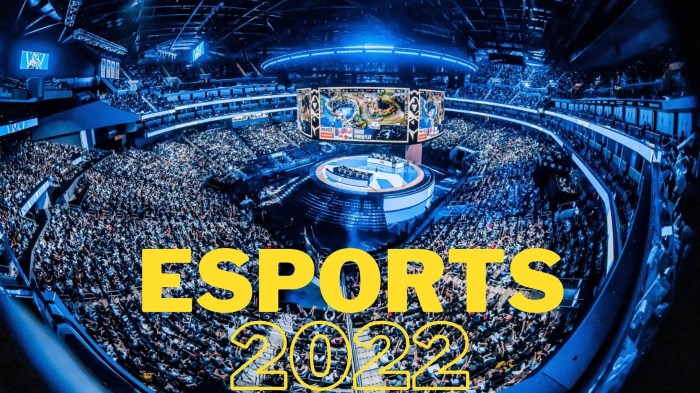
Esports has undergone a remarkable evolution in North America, transforming from niche gaming competitions to a mainstream entertainment phenomenon. Over the years, the growth of technology, internet accessibility, and the rise of influential gaming communities have propelled the esports scene to new heights. Today, North America hosts some of the most prestigious esports events in the world, attracting millions of viewers and participants alike.
Major esports events and tournaments
North America is home to several high-profile esports tournaments that draw in massive audiences both in-person and via live streams. Notable events include:
- League of Legends Championship Series (LCS): This annual tournament showcases the top teams in North America battling for a chance to qualify for the World Championship.
- The International (Dota 2): Although it primarily takes place in Seattle, the event garners attention from North American fans, who support their regional teams.
- Overwatch League: With teams representing cities across North America, this league has significantly contributed to the growth of esports in the region.
Additionally, events like DreamHack and ESL One have become staples in the esports calendar, offering fans a chance to experience live competitive gaming.
Leading esports organizations and teams
Several organizations have established themselves as leaders in the North American esports landscape. Some of the prominent teams include:
- Team SoloMid (TSM): Known for their success in League of Legends and various other titles, TSM has a large fan base and a strong brand presence.
- Cloud9: This organization has competed in multiple esports genres, including FPS and MOBA, making them one of the most versatile teams.
- FaZe Clan: Originally starting as a Call of Duty team, FaZe Clan has expanded into a lifestyle brand, gaining substantial influence in the gaming culture.
Popular Games in North American Esports
The North American esports scene is characterized by a diverse array of popular games that attract millions of players and viewers. These games have not only shaped the competitive landscape but also influenced the gaming culture significantly.
Top esports titles
Some of the most popular esports titles in North America include:
- League of Legends: A staple in the esports industry, this multiplayer online battle arena (MOBA) game boasts a massive following and a competitive scene.
- Dota 2: Known for its strategic depth and complexity, Dota 2 is another heavyweight in the esports arena, with the annual TI tournament offering one of the largest prize pools.
- Counter-Strike: Global Offensive (CS:GO): This first-person shooter remains a favorite among competitive players, with numerous tournaments showcasing top-tier gameplay.
Impact of online games
Online games have had a profound impact on the esports scene, greatly influencing player participation and viewer engagement. The accessibility of these games has allowed players of all skill levels to compete, leading to a significant increase in the player base. Statistics indicate that games like Fortnite and Valorant have seen explosive growth, with millions of players logging in daily to participate in competitive matches.
Growth of Online Games and Their Influence
The rise of online games has been instrumental in popularizing esports, creating a dynamic interplay between gameplay and competitive spirit.
Demographics of players
The demographics of players participating in online games are diverse, encompassing various age groups, backgrounds, and skill levels. Recent studies indicate that a significant portion of players are aged between 18-34, making this age group the largest contributor to the esports ecosystem.
Connection with esports fandom
Online gaming communities foster a strong connection with esports fandom. Players often follow professional teams and tournaments closely, creating a robust culture of support and engagement. The passion exhibited by fans contributes to the overall growth of esports as a legitimate form of entertainment.
Online Games for Different Audiences
Online gaming is increasingly catering to a wider audience, offering a variety of titles that appeal to different demographics.
Online games for girls
Many online games have gained popularity among female players, bridging the gender gap in gaming. Titles such as The Sims and Animal Crossing are examples of games that have resonated well, creating inclusive gaming environments.
Educational games for kids
Various online games designed for children provide educational benefits while ensuring entertainment. Games like Prodigy Math and Kerbal Space Program help develop critical thinking skills and promote learning through interactive gameplay.
Free online games
Free-to-play online games have emerged as a means to make gaming accessible to a broader audience. Titles such as Among Us and Fortnite allow players to engage without financial barriers, contributing to the growing player base in esports.
Mobile and App-Based Gaming Impact
Mobile gaming has become a significant force within the esports landscape, shaping how players engage with competitive gaming.
Leading mobile games
Several mobile games have gained traction in the esports community, including:
- Mobile Legends: Bang Bang: A popular MOBA that has made waves in mobile esports tournaments.
- Call of Duty: Mobile: This title has successfully translated the classic FPS experience to mobile devices, attracting competitive players.
Rise of mobile esports
The popularity of mobile esports in North America is on the rise, with more players participating in competitive events. Tournaments specifically catering to mobile games have begun to gain recognition, showcasing the shift in how esports is perceived and experienced.
Accessibility for new players
App-based online games enhance accessibility, allowing new players to easily enter the gaming scene. The convenience of mobile gaming encourages casual players to engage with competitive formats, bridging the gap between casual and professional gaming.
Online Game Genres and Their Popularity
The variety of online game genres plays a key role in attracting different audiences and fostering competitive play.
Anime genre appeal
Online games in the anime genre have seen a significant crossover into the esports sphere. Titles like Dragon Ball FighterZ have drawn in fans due to their vibrant graphics and deep gameplay mechanics, creating a dedicated esports scene.
Arcade-style online games
Arcade-style games, with their nostalgic elements, continue to resonate with players. They offer quick, engaging gameplay experiences that are perfect for competitive environments, fostering community and camaraderie among players.
Sports-themed online games
Various sports-themed online games have successfully integrated into esports leagues. Titles like FIFA and Madden NFL have competitive scenes that mirror real-world sports, drawing in traditional sports fans and gamers alike.
Community and Social Aspects of Online Gaming
The social dynamics within online gaming contribute significantly to the formation of communities that support both casual and competitive play.
Fostering community interaction
Online games encourage social interaction, fostering communities where players connect based on shared interests. Platforms like Discord and Twitch have become hubs for these communities, allowing for collaboration and engagement.
Examples of teamwork-focused games
Games that require teamwork and collaboration, such as Overwatch and Squad, promote cooperative gameplay, further strengthening community bonds among players.
Friendships through gaming
The role of online games in developing friendships and networks among players cannot be understated. Many gamers forge lasting connections through shared experiences, contributing to the overall sense of belonging within the gaming community.
The Future of Esports and Online Gaming
As the esports landscape continues to evolve, emerging trends and challenges will shape its future in North America.
Emerging trends
Trends such as the rise of virtual reality (VR) gaming and the increasing integration of blockchain technology into gaming ecosystems are poised to revolutionize the way players experience esports.
Challenges and opportunities
While challenges such as regulatory issues and player burnout exist, opportunities for growth abound. The increasing acceptance of esports as a legitimate career path presents a promising future for aspiring players and organizations alike.
Predictions for online games’ impact on esports
As online games evolve, they are likely to increasingly define the esports landscape. The growth of cross-platform play and the expansion of gaming communities could lead to new opportunities for competitive play, ensuring that esports remains a vibrant part of North America’s entertainment culture.
Final Summary
As we look to the future, the trajectory of esports in North America appears promising, with emerging trends and innovations paving the way for further growth. The integration of online gaming communities, mobile gaming, and social aspects will undoubtedly continue to enhance the esports experience, making it more accessible and engaging for diverse audiences.
Q&A
What are the most popular esports games in North America?
The most popular esports games in North America include League of Legends, Call of Duty, Overwatch, and Fortnite.
How do esports tournaments work?
Esports tournaments typically feature teams or players competing in a structured format, often culminating in playoffs and finals, with prizes awarded based on performance.
Is esports considered a real sport?
Yes, many consider esports a real sport due to its competitive nature, organized teams, and professional leagues, though opinions may vary.
How can someone get involved in esports?
Individuals can get involved in esports by playing games competitively, participating in community events, or even pursuing careers in game development, streaming, and content creation.
What are the key demographics of esports fans in North America?
Esports fans in North America are diverse, typically ranging from teenagers to young adults, with a strong interest in technology and gaming culture.