Esports brand partnerships have emerged as a dynamic and transformative force in the gaming industry, connecting brands with a passionate audience in unique ways. As the esports landscape has evolved, so too have the strategies and collaborations between companies and gaming organizations, leading to innovative marketing opportunities that benefit both sides.
The collaboration between brands and esports organizations goes beyond mere sponsorship; it creates a community where fans engage with both the games they love and the brands that support them. Through strategic partnerships, brands can tap into the enthusiasm of esports audiences, enhancing their reach and impact.
Understanding Esports Brand Partnerships
Esports brand partnerships represent a crucial intersection between gaming and marketing, fostering collaborations that enhance visibility and engagement for both parties involved. As the esports industry has evolved, so too have the strategies surrounding these partnerships, shaping the landscape of competitive gaming and brand marketing.
Definition and Evolution of Partnerships
Esports brand partnerships involve collaborations between gaming organizations and brands, aimed at leveraging each other’s strengths to reach broader audiences. Over the past decade, these partnerships have progressed from simple sponsorship deals to more integrated marketing campaigns that often include co-branded content, product placements, and interactive experiences. The growth of esports viewership and community engagement has encouraged brands to invest heavily in this space.
Key Players in Esports
The landscape of esports is populated by various key players, including game developers, professional teams, tournament organizers, and influencers. Brands such as Logitech, Intel, and Coca-Cola have formed impactful partnerships with these players, creating innovative marketing strategies that resonate with the gaming community.
Benefits of Esports Brand Partnerships
Brand partnerships in esports offer a multitude of benefits that can significantly enhance a brand’s market presence. By collaborating with esports organizations, brands can tap into a passionate and engaged audience that traditional advertising may struggle to reach.
Advantages for Brands
The advantages of collaborating with esports organizations include increased brand awareness, access to a diverse demographic, and enhanced consumer loyalty. Esports fans are highly engaged, often showing a strong preference for brands that support their favorite games and teams.
Impact on Audience Engagement and Reach
Partnerships can dramatically improve audience engagement, with brands experiencing a higher level of interaction through live events, social media campaigns, and exclusive content offerings. Brands that authentically connect with the gaming community can enjoy a significant boost in reach and effectiveness of their marketing efforts.
Successful Brand Partnerships in Esports
Notable examples of successful brand partnerships in esports include the collaboration between Red Bull and various esports tournaments, as well as the partnership between Nike and professional esports teams. These collaborations not only enhance brand visibility but also create memorable experiences for fans.
Types of Brands Collaborating in Esports
The types of brands involved in esports partnerships vary widely, ranging from technology companies to traditional sports brands.
Categorization of Brands
Brands can be categorized into several segments, including:
- Technology Companies: Brands like NVIDIA and AMD play a significant role, providing gaming hardware and software support.
- Consumer Goods: Companies like Monster Energy and Coca-Cola leverage esports for product marketing and brand loyalty campaigns.
- Traditional Sports Brands: Brands such as Adidas and Puma are making strides in the esports arena, creating crossover campaigns that appeal to both traditional and gaming audiences.
Insights on Technology Companies
Technology companies are heavily invested in the esports ecosystem, often serving as sponsors and providing essential support through hardware and software solutions. Their involvement enhances the overall gaming experience, benefiting both players and audiences alike.
Entry of Traditional Sports Brands
Traditional sports brands are increasingly recognizing the potential of esports. By entering the esports space, they aim to connect with younger audiences who may not engage with traditional sports, thus expanding their market reach.
Case Studies of Successful Esports Brand Partnerships
Exploring successful partnerships in esports provides valuable insights into effective strategies and outcomes.
Successful Partnership Example
One standout partnership is the collaboration between the gaming organization Team Liquid and BMW. This partnership has seen the development of co-branded content, exclusive fan experiences, and significant visibility at gaming events.
Comparative Analysis of Partnerships
Comparing multiple successful partnerships reveals common strategies:
| Partnership | Brands Involved | Strategies Employed |
|---|---|---|
| Team Liquid and BMW | Team Liquid, BMW | Co-branded content, live event sponsorship |
| Cloud9 and Mastercard | Cloud9, Mastercard | Exclusive offers, fan engagement initiatives |
Strategies Employed by Successful Brands
Successful brands in esports often utilize innovative strategies such as engaging content creation, interactive fan experiences, and leveraging social media platforms to drive engagement.
The Role of Online Games in Esports Brand Partnerships
Online games serve as a significant contributor to brand partnership opportunities, creating numerous avenues for collaboration.
Contribution of Online Games
Online games facilitate brand partnerships by providing a platform for engaging marketing campaigns that resonate with gamers. Brands can introduce in-game promotions, sponsorships, and exclusive content that draws players’ attention.
Significance of Popular Online Games
Popular online games like Fortnite and League of Legends have successfully driven brand engagement through unique collaborations, including in-game events, branded skins, and promotional tournaments that captivate audiences.
Examples of Successful Game Partnerships
Games like Apex Legends and Call of Duty: Warzone have partnered with brands for exclusive in-game content and promotional events, driving both gaming engagement and brand awareness.
Trends Influencing Esports Brand Partnerships
Understanding trends is essential for brands looking to navigate the evolving landscape of esports partnerships.
Current Trends Shaping Partnerships
Emerging trends include the increased focus on diversity and inclusion, as well as the integration of live streaming platforms for marketing purposes. Brands are adapting to these trends to foster authentic connections with the gaming community.
Impact of Social Media
Social media plays a pivotal role in brand partnerships within the esports community. Platforms like Twitter and Twitch allow brands to engage directly with fans, facilitating real-time interactions that enhance brand loyalty.
Emerging Technologies Affecting Collaborations
Technologies such as virtual reality and augmented reality are beginning to influence brand collaborations in esports, allowing for immersive experiences that attract and retain audiences.
Challenges Faced by Brands in Esports Partnerships
While there are numerous benefits, brands may also face challenges when partnering with esports organizations.
Potential Challenges
Brands often encounter challenges related to audience perception, as the gaming community is highly discerning. It’s crucial for brands to ensure their partnerships feel authentic and resonate with gamers.
Obstacles Related to Audience Perception
Audience perception can be a significant hurdle; brands that fail to connect meaningfully with the gaming community risk backlash or indifference.
Overcoming Challenges
To overcome these challenges, brands should engage with the community authentically, investing time in understanding gamer culture and preferences to foster genuine relationships.
Future of Esports Brand Partnerships
As the esports sector continues to grow, the future of brand partnerships looks promising.
Predictions for Future Partnerships
With the rise of new genres and platforms, brands can anticipate a more expansive landscape for collaborations, particularly with the integration of mobile gaming.
Integration of New Genres
The incorporation of new genres of online games into esports partnerships will diversify the engagement strategies available to brands, opening up new audience segments.
Innovating Collaboration Strategies
To remain relevant, brands should focus on innovative collaboration strategies that leverage data analytics and community feedback to tailor their approaches effectively.
Connection Between Online Games and Esports
The relationship between online games and esports is foundational, influencing how partnerships are formed and executed.
Relationship Overview
Online games provide the competitive framework that fuels the esports industry, serving as the battlegrounds where professional players and teams showcase their skills.
Representation of Online Games for Girls
In recent years, there has been a growing representation of online games for girls within esports brand partnerships, emphasizing inclusivity and diverse gaming experiences.
Significance for Kids in the Esports Ecosystem
Online games designed for kids play a critical role in nurturing the next generation of gamers, fostering interest in esports and providing a foundation for future engagement in the competitive scene.
Expanding the Reach of Esports Through Online Games
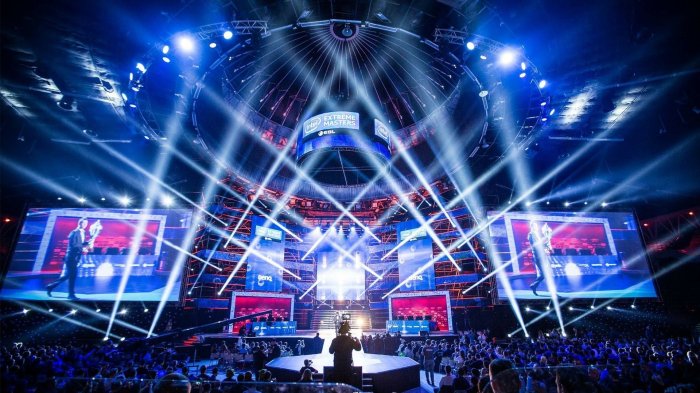
Brands can leverage online games to broaden their reach within the esports landscape.
Strategy for Brands
Developing strategic initiatives that utilize online games can help brands connect with new audiences, effectively breaking into the esports scene.
Free Online Games as a Gateway
Free online games present an accessible entry point for casual gamers, serving as a gateway for broader interest in esports events and competitions.
Role of Mobile Online Games
Mobile online games are crucial for increasing accessibility to esports content, allowing brands to reach audiences who may prefer gaming on the go. This trend presents an opportunity for brands to create engaging mobile-centric campaigns.
Final Thoughts
In summary, esports brand partnerships represent a frontier of possibilities where brands can interact with a vibrant and engaged audience. As the industry grows and trends shift, the potential for innovative collaborations continues to expand, paving the way for exciting future developments that bring brands and gamers closer than ever.
User Queries
What are esports brand partnerships?
Esports brand partnerships refer to collaborations between brands and esports organizations to promote products or services through events, sponsorships, or marketing campaigns.
How do brands benefit from esports partnerships?
Brands gain increased visibility, engagement with niche audiences, and the ability to connect with consumers in an interactive environment.
What types of brands participate in esports?
Various brands participate, including technology companies, beverage brands, gaming hardware manufacturers, and traditional sports brands.
What challenges do brands face in esports partnerships?
Brands may face challenges such as audience perception, ensuring authenticity, and navigating the rapidly changing esports landscape.
What is the future of esports brand partnerships?
The future looks promising, with anticipated growth in collaborations as new gaming genres emerge and technology evolves.